Press release: Van Rooi and Van Loon Group join forces for sustainable growth.
08 January 26
News

Are you interested in our chain concepts? Log in with your email address and password or contact our livestock team.
Last year, the Van Loon Group in Son, North Brabant, processed one million kilograms less animal-based raw materials from cattle, pigs and chickens, opting instead for plant-based protein. This is revealed in the 2025 Corporate Social Responsibility (CSR) annual report.
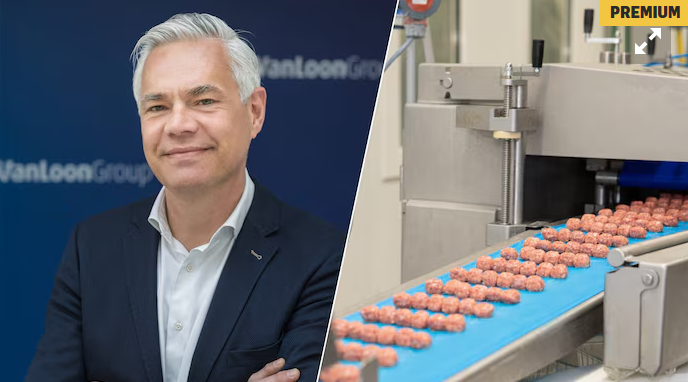
The company is seeing strong growth in hybrid meat products. Following previous experience with meat substitutes between 2019 and 2024, the Van Loon Group is now making a clear commitment to hybrid products: meat combined with plant-based ingredients. The plant-based fibre FiberFort – made from field beans or peas sourced from the Netherlands or the European Union – plays a central role in this.
The share of hybrid products grew to 11 per cent of total meat sales in 2025. Sales even rose by 433 per cent compared to the previous year. The use of plant-based fibres and vegetables saved approximately 1 million kilograms of animal-based raw materials from cattle, pigs and chickens. This resulted in a saving of 1.1 million kilograms of CO2.
A hybrid product may cost up to 10 per cent more than the reference product. According to the company, this strategy aligns with the vision that healthy and sustainable food must remain accessible. ‘Taste remains the guiding principle, sustainability the direction,’ noted sustainability director Roland van Loon during the presentation of the CSR annual report. Due to the strong rise of ‘high-protein’ (dairy proteins) in food products, the transition to plant-based protein is currently stagnating.
The drive towards sustainability is under pressure. Van Loon cites geopolitical tensions, uncertainty in the international supply chain and the erosion of Europe’s competitive position as causes. ‘That does not alter the fact that sustainability goals remain as relevant as ever.’
In 2025, the Van Loon Group mapped out the carbon footprint of the ‘Varken op z’n Best’ supply chain concept. In 2024, this stood at 4.44 kg of CO2 equivalents per kg of pork. To further reduce the carbon footprint, ‘Varken op z’n Best’ launched a project in the autumn of 2025 involving soya in pig feed sourced from farmland that has been deforestation-free for at least twenty years. This results in a carbon reduction of at least 14 per cent. In 2026, Varken op z’n Best will be expanded to include a module for nature and the environment, so that performance can be systematically monitored and managed.
According to Van Loon, it is not just about ambitions, but above all about measurable results. ‘It’s not just about a good story. We also want to make the impact measurable and visible,’ he states.
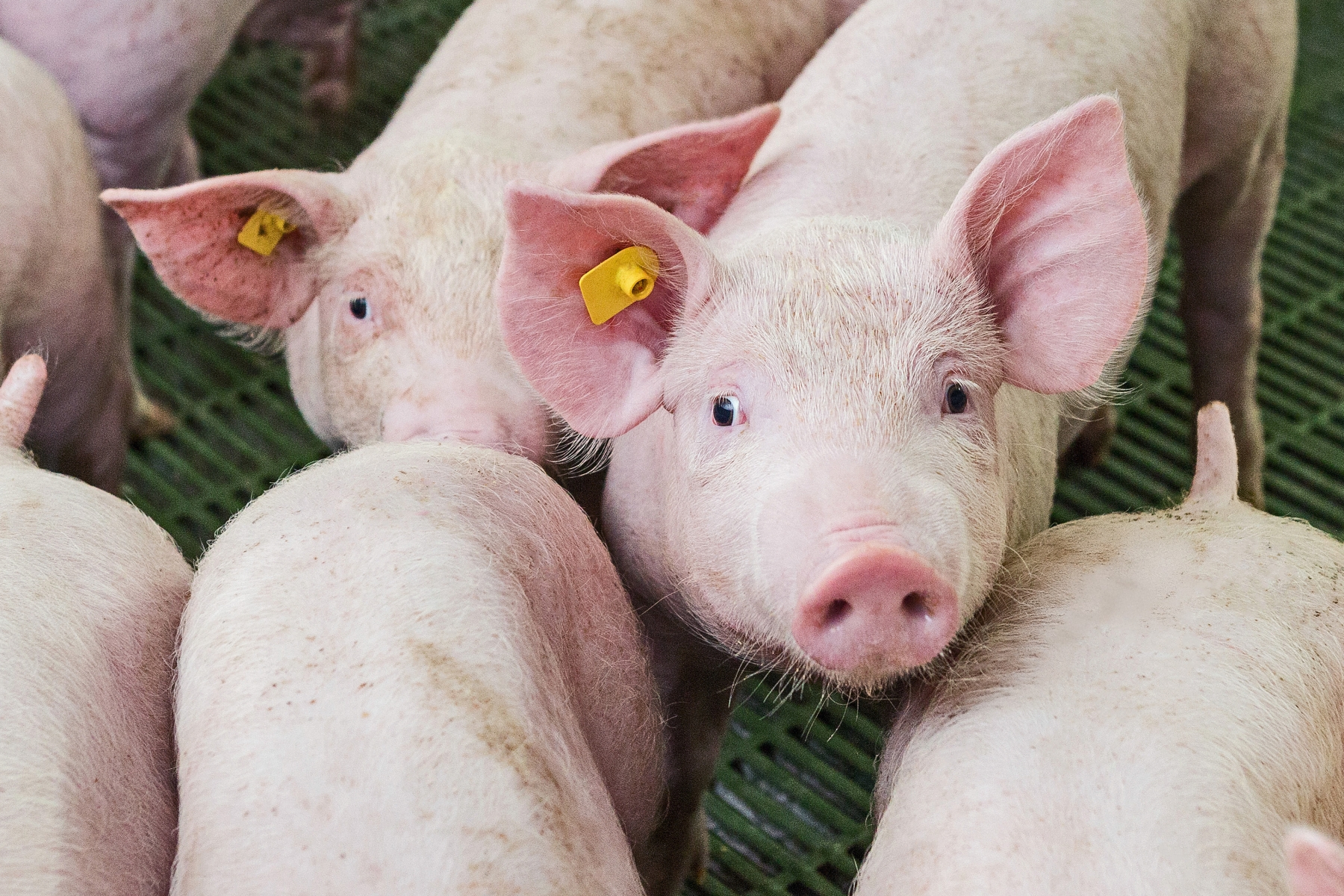
Progress is also being made in the area of animal welfare. The Covenant on Animal-Welfare-Friendly Livestock Farming has been integrated into the roadmap for 2035. A pilot scheme involving electronic ear tags is currently underway. By 2025, the number of pigs with intact tails had risen to over 20,000 animals, accounting for 7.1 per cent of the total within the sector.
Participating pig farmers receive a payment of 10 euros per animal for this, though this does not alter the fact that the further roll-out faces serious challenges. For instance, the sustainability director cites the funding of the subsidy and the strict regulations surrounding the transport of pigs with tail injuries as major bottlenecks. Van Loon: ‘The government is being inflexible on this.’
Read also: Van Loon Group aims for 7.5 per cent hybrid meat products by 2027
Within the ‘Rund op z’n Best’ beef chain, the Van Loon Group is working with the Dutch Society for the Protection of Animals to achieve a one-star rating under the ‘Beter Leven’ quality mark. The meat in this chain is not yet entirely of Dutch origin.
In January, the Van Loon Group and Van Rooi Meat announced their intention to join forces. Following an extensive investigation, the Netherlands Authority for Consumers and Markets (ACM) has approved the merger of the two companies. Once the competition authorities in Belgium and Cyprus also give the green light, a company will be created that operates across all links in the food chain: from farm to fork.
Source: At Van Loon Group, hybrid is becoming the new meat - Nieuwe Oogst